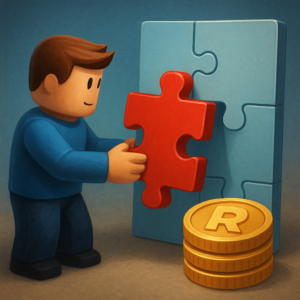

Roblox game passes work best when they improve an experience players already enjoy. The strongest offers solve a visible problem, add character, or make repeated play more comfortable without damaging balance. When value feels natural, players can understand the purchase quickly and support the creator without feeling pressured to act.
Design begins with the player, not the sales screen. Study where people hesitate, what they repeat, and which moments invite helpful upgrades. Then connect each pass to a clear benefit, a reasonable price, and a fair alternative for nonbuyers. That approach builds trust before it ever asks for money directly.
Start With a Real Player Benefit
Start by identifying a benefit that matters during ordinary play, such as faster travel, extra storage, better customization, or access to a social space. The benefit should appear often enough to feel useful, yet remain optional. Players should recognize why it helps them without needing exaggerated claims or confusing comparisons.
Find Friction Players Already Feel
Look for friction that players mention, rather than inventing inconvenience to create demand. They may dislike long walks, repeated sorting, limited outfits, or coordination with friends. A useful pass reduces that frustration while preserving choices. If the problem is imaginary, the offer will feel unnecessary, manipulative, and easy to ignore.
Protect the Core Loop
Protect the core loop when adding convenience. A pass can shorten travel or organize inventory, but it should not erase every decision that makes the game engaging. Keep skill, discovery, and social interaction available to everyone. The paid feature should smooth participation, not turn the activity into a hollow shortcut.
Make the Value Obvious
Make the value understandable within a few seconds of attention. Use a direct name, a recognizable icon, and a description that states what changes after purchase. Show the benefit in context whenever possible. Clear presentation reduces uncertainty, helps players compare options, and makes the decision feel informed rather than rushed.
Write a Clear Offer
Name the outcome instead of decorating it with premium language. Double Storage tells players more than Ultimate Access because the first phrase describes a result. Explain limitations too, including where the feature works, when it activates, and whether it affects every mode. Honest details prevent disappointment and support confident purchases.
Use screenshots or demonstrations to show the difference before and after buying. Avoid crowded panels that bury the information beneath badges, countdowns, and effects. A player should be able to answer three questions immediately: What do I receive, when can I use it, and why is it worth the price?
Match Price to Perceived Value
Set pricing according to the size, frequency, and importance of the benefit. Small conveniences usually deserve a modest price, while substantial access or lasting customization may support more. Compare the offer with ways players spend their currency. Fair prices encourage repeat trust because buyers remember how the purchase felt afterward.
Compare Cost With Time Saved
Estimate value by considering time saved, effort reduced, or enjoyment added across sessions. A benefit used once may not justify the same price as one that helps every visit. Watch how players respond to the offer then adjust. Revenue matters, but a regretted purchase can damage retention, reviews, and sales.
Keep the Experience Fair
A fair pass improves convenience or expression without making free participation miserable. Keep progression achievable through normal play and avoid placing comfort behind a purchase wall. If buyers gain advantages, balance them against skill, time, or accessible paths. Fairness is not ethical; it also protects the community sustains the experience.
Respect Free Players
Give nonpaying players a complete and enjoyable route through the game. Paid options can add comfort, style, or alternate access but they should not shame people for declining. Avoid popups that interrupt moments or repeat until someone gives in. Respectful choices make supporters feel welcome and make players feel safe.
Test the Purchase Journey
Test the purchase journey from a new player’s perspective before launch. Find the offer naturally, read its description, complete the transaction, and locate the benefit afterward. Check mobile layouts, loading behavior, confirmation messages, and recovery from interrupted purchases. Small obstacles can erase interest especially when the offer appears during gameplay.
Review the Post-Purchase Moment
Observe what happens after the sale, not whether the purchase succeeds. Does the feature appear, explain itself, and create the promised improvement? Ask testers where they felt confused or pressured. Track refunds, complaints, repeat usage, and questions together. Those signals reveal whether a pass delivers lasting satisfaction instead of curiosity.
Use Limited Offers Carefully
Limited offers can add excitement, but urgency should never replace value. Use a deadline only when it reflects an event, seasonal theme, or meaningful update. State what ends, when it ends, and whether the item will return. Clear boundaries prevent suspicion and let players decide calmly without feeling tricked by artificial scarcity.
Conclusion: Sell Value, Not Noise
Review every pass as part of the whole experience, not as an isolated sales object. Remove offers that confuse players, rebalance benefits that distort competition, and improve descriptions when questions repeat. The best monetization is quiet, useful, and consistent with the game’s promise. Sell value, earn trust, and let players choose with confidence.