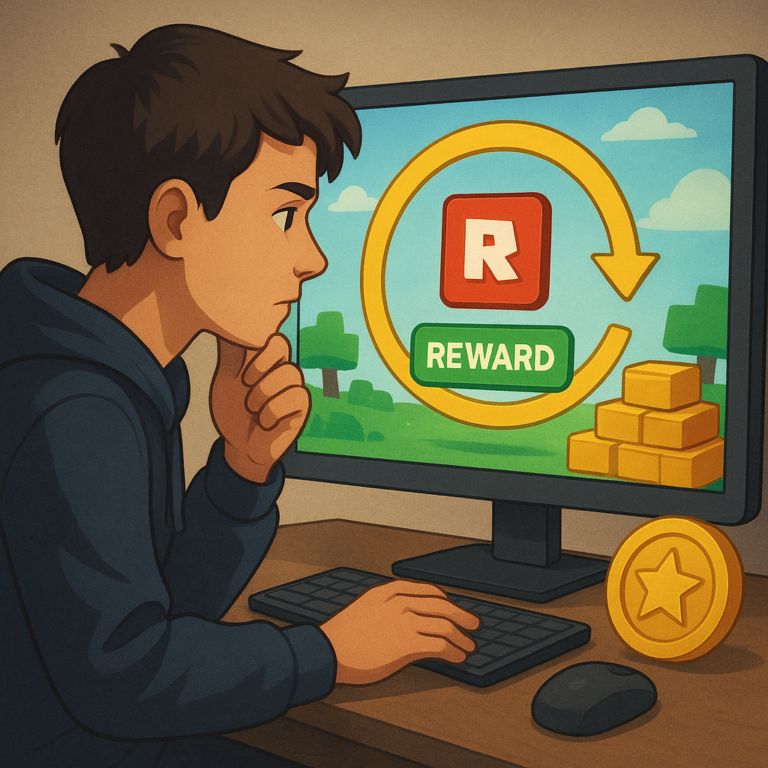
Roblox reward loops can make progress exciting, but coins, quests, and bonuses do not create value. Before investing hours or Robux, examine what the system gives back, how quickly it recognizes effort, and whether it respects your ability to stop. A worthwhile loop supports enjoyment instead of turning play into obligation.
The way to judge a loop is to study its pattern rather than chase its prize. Notice what you do repeatedly, what changes after a session, and which rewards remain useful later. Fair design makes progress and spending clear. If the system depends on confusion, urgency, or repetition, its excitement may not last.
Start With the Reward’s Actual Value
Begin by asking what each reward improves. It might unlock a feature, speed up progress, expand customization, or provide a cosmetic item that helps express identity. The benefit matters less than clarity and relevance. Understand why the reward exists and what difference it makes before deciding that effort is reasonable.
Measure Effort Against Progress
Next, compare work required with the pace of progress. A loop can include repetition, yet it should offer milestones along the way. Completing tasks should move you closer to something recognizable, even when the goal remains distant. When every session produces tiny changes, the system may stretch activity without adding satisfaction.
Look for Meaningful Milestones
Try the loop during play rather than judging it during a burst. After ten minutes, ask whether you can describe improvements and identify a step. This test reveals pacing better than a reward. If progress feels noticeable during play, the system can respect players who cannot stay online for hours.
Test a Short Session
Check whether the loop explains milestones without requiring research. Menus, progress bars, and reward descriptions let you plan around your time. Confusing objectives can make a system feel worse, while clear information lets you choose activities. Transparency is valuable because it shows whether the challenge is demanding or merely poorly explained.
Separate Generosity From Pressure
Systems advertise generosity through gifts, streaks, bonuses, or countdowns. These features are not harmful, but design matters. A bonus feels like an invitation to return; a manipulative one makes absence costly. Notice whether missing a day removes a benefit, resets earned progress, or creates anxiety about falling behind other players.
Ask whether the game feels rewarding when you ignore timers. If you can play at your pace, return later, and continue without punishment, the loop supports interest instead of creating dependence. Events add variety when they offer access and notice. They become warning signs when urgency replaces fun or pushes decisions.
Match Rewards to the Core Loop
Rewards matter when they reinforce what makes the game enjoyable. In racing experience, prizes might unlock vehicles or tracks; in a roleplay game, they might expand expression, access, or customization. The connection does not need to be an advantage. It simply should make the activity more satisfying instead of pulling attention toward chores.
Compare rewards with gameplay closely. If items come from repetitive tasks that resemble the experience, the loop may treat the game as a system for incentives. Design makes chores feel connected to play. You should not spend a session on currencies before reaching the activity you opened Roblox to enjoy.
Inspect How Robux Spending Works
When Robux enters play, separate convenience from necessity. A purchase should have a price, a benefit, and a connection to your goals. It may save time or add style, but it should not make play feel incomplete. Read descriptions, compare alternatives, and ask whether the same enjoyment remains available without paying.
Be cautious with bundles that mix items, odds, and offers. A price can represent value when contents are irrelevant or when the purchase encourages purchase afterward. Look for information about permanence, access, and limits. You deserve to know whether an item remains yours, works everywhere promised, and meaningfully changes your experience.
Free access helps test value. Play enough to see whether patience, practice, and exploration can produce results without a purchase. This does not mean paid items are bad, or players should receive everything. It means spending should improve a choice you want, not rescue a system that feels stingy by design.
Judge Whether Interest Lasts
A loop should remain appealing after the surprise fades. Ask whether you enjoy the activity itself, or whether you chase a notification, badge, or payout. Systems give you room to make choices, learn skills, and set goals. If removing the rewards would make the game empty, the loop may need examination.
Make a Long-Term Decision
Finally, combine evidence instead of letting a prize decide for you. Rate the loop on usefulness, pacing, pressure, relevance, clarity, and enjoyment. A system needn’t be perfect to deserve time, and it can be fair without being free. Choose an option that gives you enjoyable play while keeping time and Robux controlled.