Robux budgeting does not mean removing the fun from Roblox. It means deciding what deserves your balance before a colorful offer, limited item, or tempting upgrade creates pressure. A simple plan helps you spend on features you will use, keep room for future choices, and avoid regret after a brief burst of excitement.
Start by treating your Robux as a limited resource rather than loose change. Whether you earn it through legitimate creator activity, receive it as a gift, or save it over time, every purchase has an opportunity cost. Budgeting gives you a clear way to compare permanent utility, personal style, temporary convenience, and impulse spending.
Set a Limit Before You Browse
Before opening the catalog or entering a game, choose a weekly or monthly spending ceiling. Base it on the Robux you actually have, not on a hoped-for balance or a sale that may appear later. Writing the number down makes it easier to stop when the limit is reached instead of negotiating with yourself.
Separate Available Robux From Spendable Robux
Then divide that ceiling into practical buckets, such as gameplay upgrades, cosmetics, and experiments. You do not need perfect percentages; the purpose is to prevent one exciting category from consuming everything. Leave a small reserve for a later opportunity, because spending your entire balance today can turn an otherwise enjoyable purchase into frustration tomorrow.
Prioritize Purchases That Improve Play
Ask what a purchase will change during a session, not just how impressive it looks on a sales page. A useful pass may unlock a mechanic, remove a repeated obstacle, or support a game you play often. A cosmetic can still be worthwhile, but its value should come from lasting enjoyment rather than outside pressure.
Measure Usefulness Over Hype
Use a value test before buying: will you use the item frequently, notice its benefit repeatedly, or enjoy it for a long time? If you cannot name a specific benefit, place the purchase on a waiting list. The pause separates genuine interest from novelty and gives you time to compare alternatives.
Test Every Game Pass
Game passes deserve extra scrutiny because their prices can seem small when viewed separately. Check the feature, the cost, and your expected play frequency before confirming. A pass is easier to justify when it improves many future sessions, while a one-time advantage may not repay its price if your interest fades quickly.
Consider whether the game is stable, active, and genuinely part of your routine. Read the pass description carefully, since a label that sounds powerful may cover a narrow benefit. Also check whether another free feature, strategy, or ordinary progression already solves the same problem. Paying for convenience is different from paying for confusion.
Choose UGC With Patience
UGC purchases work best when you choose them for your own style instead of chasing every trend. Look at how an item fits your existing avatar, how often you can wear it, and whether you still like it without an audience reacting. A smaller collection of favorites usually brings more satisfaction than constant replacement.
Handle Limited Items Carefully
Treat limited items as optional, not as deadlines that control your decision. Scarcity can make an ordinary design feel urgent, yet rarity does not guarantee quality, usefulness, or lasting enjoyment. Set a maximum price before browsing and leave if the item exceeds it. Missing one release is safer than abandoning your entire budget.
Track Spending and Results
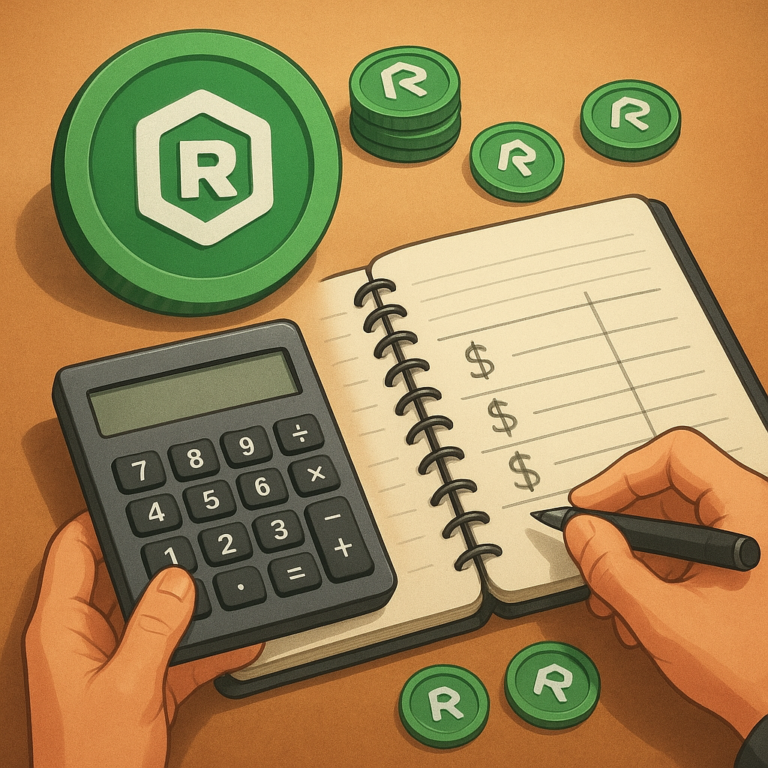
Record each purchase in a simple note with its name, price, date, and purpose. After several weeks, review whether you used it, enjoyed it, or forgot it. This evidence is more useful than a vague feeling about being good or bad with Robux. It reveals which choices deserve future priority.
Review Your Purchase Patterns
Tracking also helps younger players practice honest decision making without turning every purchase into a lecture. Keep the record private and never share account details, passwords, or payment information. The goal is reflection: notice patterns, adjust the next limit, and learn which kinds of value actually fit your playstyle.
Wait When the Choice Feels Urgent
Waiting is a budgeting tool, especially when a purchase appears during a limited event or an emotional moment. Add the item to a note, step away, and revisit it later. If you still want it after the excitement fades, compare its cost with your remaining categories. If not, you protected your balance.
Use a short checklist when urgency is high: Do I understand the benefit? Will I use it repeatedly? Does the price fit my limit? Would I choose it without the countdown? These questions do not forbid spending. They slow the decision enough to make sure the purchase is yours, rather than a reaction to pressure.
Build a Repeatable Robux Routine
A repeatable routine makes good choices easier than willpower alone. At the start of each period, check your balance, set category amounts, and identify one purchase that would genuinely improve play. At the end, record what happened and carry unused Robux forward. This creates flexibility while keeping your priorities visible.
Conclusion: Spend for Your Playstyle
Robux should support the way you play, not dictate it. Set a limit, favor purchases with repeated value, question scarcity, and track the results. Waiting is always available, and skipping a weak offer preserves choices for something better. With a calm routine, game passes, UGC, and perks can remain enjoyable without draining your balance.