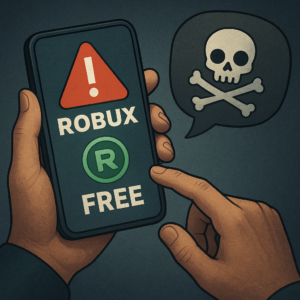
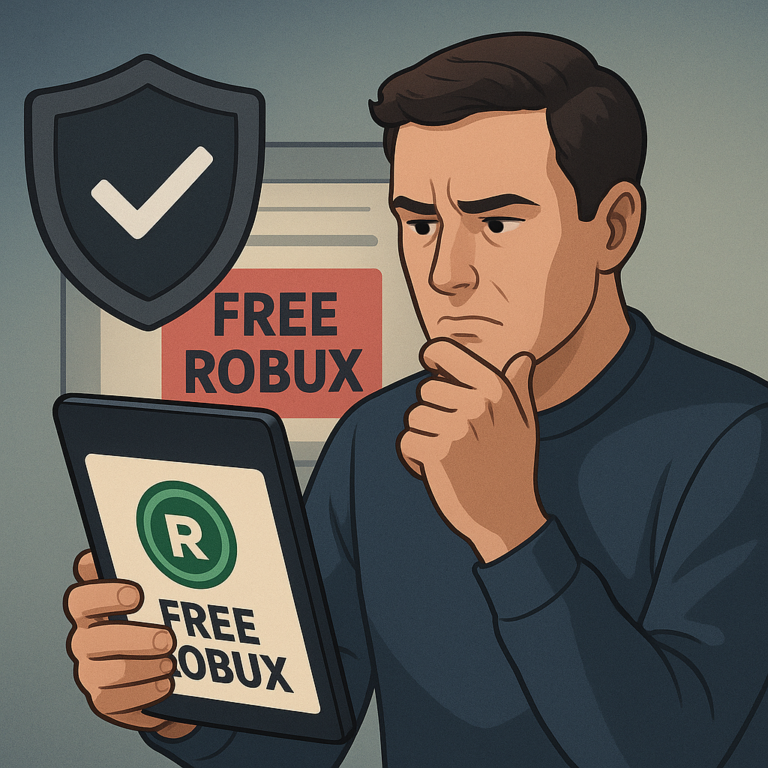
If you spend time around Roblox, you already know how often Robux promises show up in videos, comments, chats, and random sites. Some claims sound harmless. Others look polished enough to feel trustworthy for a moment. But the real issue is simple: a good-looking promise is not the same as a real opportunity.
When a reward is legitimate, it usually has a clear source, a clear rule, and a clear reason for existing. Fake offers usually depend on urgency, vagueness, or a shortcut that sounds easier than it should be. If you learn to slow down and evaluate those details, you protect your account, save time, and avoid a lot of frustration. Here is how to separate a real path from an empty promise.
Start by asking where the Robux would come from
The most important question is not how much Robux is being promised, but where it would actually come from. If the source is not visible, the offer deserves immediate skepticism. In Roblox, legitimate ways to earn value are tied to platform systems such as game passes, item sales, creator tools, or in-game systems that clearly show how the reward is generated.
When a page avoids that explanation and focuses only on the prize, that is usually a warning sign. Real opportunities do not need mystery. They can explain the mechanism in plain language. If someone cannot tell you how the Robux is produced, distributed, or earned, then you are not looking at a method — you are looking at a claim.
Look for a rule-based process, not a vague promise
Safe opportunities tend to follow a process you can understand. There is usually a condition, a method, and a result that makes sense. For example, a creator might earn Robux through a game pass purchase or a monetized experience. That is different from a vague message that says you can get rewards instantly with almost no effort.
Vague offers often rely on excitement instead of structure. They may say things like “limited spots,” “secret method,” or “unlock now,” but never explain the steps in a way that can be checked. A real system can be questioned. It has rules, limits, and practical details. If those pieces are missing, the safest move is to step back.
Pay attention to what the offer asks from you
One of the clearest ways to judge an offer is to look at what it asks in return. If a site wants your password, personal data, a download, or repeated clicks before showing anything useful, that is a major red flag. Legitimate Roblox-related systems should not need unnecessary access to your account or device.
It also helps to notice the emotional pressure. Scam offers often create urgency so you act before thinking. They make the reward feel rare, time-sensitive, or exclusive. Safe opportunities usually do the opposite: they explain the value calmly and let you decide with more confidence. The more pressure you feel, the more carefully you should evaluate the page.
Check whether the value makes sense inside the game economy
A good reality check is to ask whether the promise fits the way Roblox works. Robux is part of an economy. That means rewards usually come from some form of exchange, creation, or platform-supported action. If a promise claims you can receive a large amount with no tradeoff at all, the logic is weak.
This does not mean every legitimate path is complicated. It means every real path has a reason. A player may earn through creation, a developer may earn through engagement, and a sale may generate value because another user finds it useful. If none of that structure exists, the promise is usually built to attract attention rather than deliver value.
Think long term instead of chasing the fastest shortcut
Many bad offers work because they appeal to impatience. They promise a fast result, while legitimate paths often ask for patience and consistency. That difference matters. If you want to stay safe, it helps to think like a long-term player instead of someone looking for a quick win.
That mindset changes the way you judge offers. A real opportunity might take time to understand or use, but it usually leaves you with something useful: knowledge, progress, or a clearer path forward. A fake offer gives you excitement first and disappointment later. Choosing the slower, clearer route is usually the smarter choice.
Build a habit of verifying before trusting
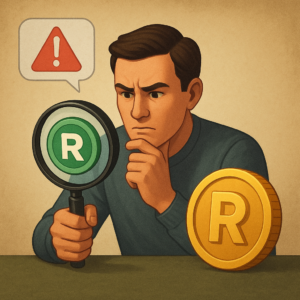
The safest Roblox players are not the ones who never see risky offers. They are the ones who know how to pause and verify. That habit can be as simple as checking the source, reading the terms, and asking whether the reward has a believable explanation. If the answer is no, you already have enough information.
It also helps to compare the offer with trusted platform behavior. If something feels completely disconnected from how Roblox normally operates, treat that as evidence, not just a feeling. Good judgment comes from repetition. The more you practice asking the right questions, the easier it becomes to avoid empty promises.
Conclusion: trust clarity, not hype
Safe Robux opportunities are the ones that make sense when you look closely. They have a source, a rule, and a clear reason to exist. Empty promises depend on pressure, confusion, and the hope that you will click before thinking. Once you learn to spot that difference, you become much harder to fool.
If you want to stay safe, keep your focus on clarity. Ask where the reward comes from, what the process is, and whether the offer respects how Roblox actually works. That habit is one of the best ways to protect your account and make better choices every time you see a new promise.