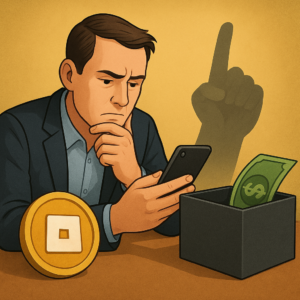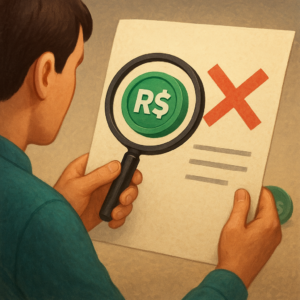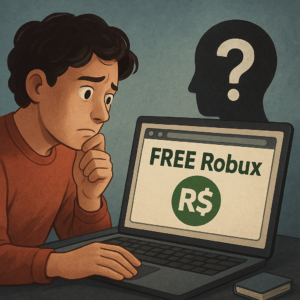
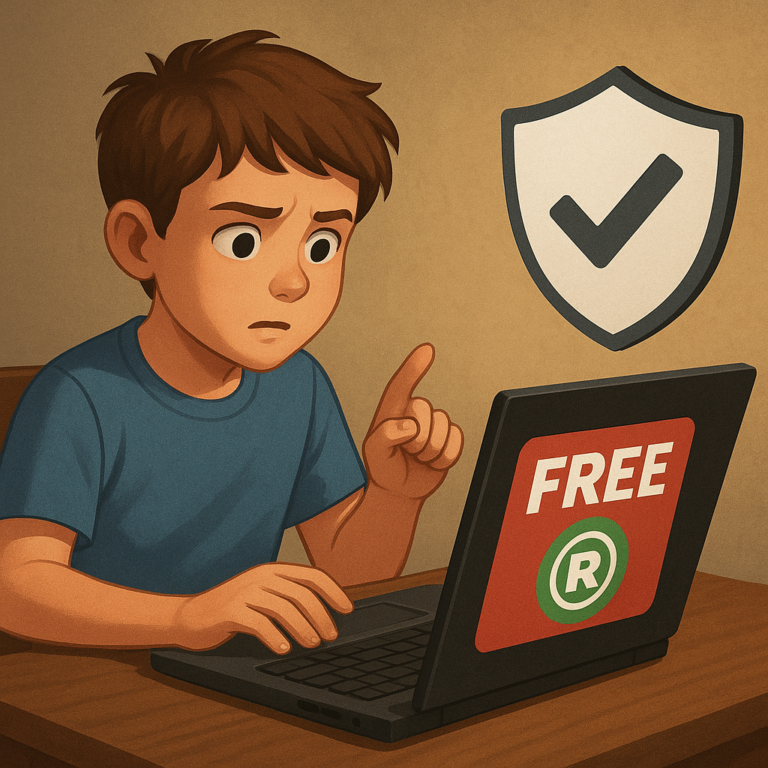
Free Robux sounds tempting, especially for younger players who see items, outfits, and upgrades everywhere in Roblox. That temptation is exactly why scams keep working: they promise an easy reward in exchange for a login, a survey, a download, or a few minutes of attention. In practice, those shortcuts usually lead to stolen accounts, malware, or simple disappointment.
If your goal is to enjoy Roblox without taking unnecessary risks, the best approach is to understand how these scams operate and what real, legitimate options actually exist. Once you know the patterns, it becomes much easier to spot a fake promise before clicking anything. That protects not only Robux, but also passwords, email access, and device security.
Why free Robux offers spread so quickly
Scam offers spread because they use a very simple emotional trigger: urgency. Messages often suggest the chance is limited, exclusive, or hidden from most players. They may use flashy graphics, fake testimonials, or language that makes the user feel they are about to miss out on something valuable.
Another reason these offers circulate so much is that they are easy to copy. A fake page, a misleading video, or a cloned profile can be created in minutes. For that reason, the same promise appears in different places, with slightly different wording, but the same basic structure: promise reward first, ask for trust later.
Understanding this pattern helps you slow down. If an offer sounds rushed, too generous, or strangely secretive, that is often the first warning sign. Real rewards do not depend on pressure tactics.
The most common Robux scam patterns
One of the most frequent tricks is the fake generator. It usually asks for a username and then presents a loading screen that pretends to “calculate” your reward. After that, the user is redirected to more tasks, more pages, or more promises, but no Robux ever appears. The goal is to keep the player engaged long enough to profit from ads, data collection, or third-party offers.
Another common pattern is the survey trap. The page says you need to answer a few questions before receiving Robux, but the survey is endless or irrelevant. In many cases, the real objective is to collect personal data or push downloads. Similar scams may request app installs, browser extensions, or permission changes that should never be needed for a simple reward claim.
Fake giveaways are also very popular on social media. They often copy the visual style of known creators or official-looking accounts. The safest rule is simple: if the reward requires you to act outside the official Roblox ecosystem without a clear explanation, treat it as suspicious.
How to check whether an offer is legitimate
A legitimate Roblox-related reward should always be tied to an official system, a known game mechanic, or a verified creator activity. If the offer comes from a random site, a vague link, or a post with no trustworthy origin, it should not be treated as real. Start by asking who is offering the reward and what exactly you need to do in return.
Check whether the website uses secure access, a recognizable domain, and consistent branding. Even then, a clean design alone does not guarantee safety, so it is important to read carefully. Look for strange spelling, exaggerated promises, and requests for credentials. Real platforms do not need you to surrender passwords to credit a reward.
When in doubt, close the page and verify the information through official Roblox resources or through a parent, guardian, or trusted adult. A few extra minutes of checking can prevent much bigger problems later.
Safer ways to earn and manage Robux
Instead of chasing free Robux claims, players can focus on methods that are actually part of the Roblox environment. Creating games, designing items, participating in legitimate events, and understanding the platform’s own monetization systems are all more reliable paths. They may take more effort, but they do not depend on false promises.
For younger players, the safest route is often to learn how Robux works before trying to acquire more. That includes understanding game passes, avatar items, premium benefits, and the difference between free content and paid content. This knowledge makes players less vulnerable to manipulation because they can tell the difference between a reward system and a bait tactic.
Families can also help by setting clear rules about downloads, link clicks, and password sharing. The more structured the approach, the easier it is to enjoy the game without stress.
What to do if you already clicked on a suspicious offer
If you already interacted with a suspicious page, do not panic. The first step is to stop entering information immediately. If you typed a password, change it as soon as possible from a trusted device. If you reused that password elsewhere, update those accounts too.
Next, check whether any unknown app, extension, or file was installed. Remove anything you do not recognize, and run a device security scan if available. It is also wise to review account sessions and log out of devices you do not recognize. If a payment method was involved, contact the service provider quickly.
For children and teens, an honest conversation is important. The goal is not punishment; it is to reduce future risk. The faster the response, the better the chance of limiting damage.
Final advice for players who want to stay safe
There is no magic shortcut that makes free Robux both effortless and risk-free. Once you understand that, it becomes easier to make good decisions. Real progress in Roblox comes from legitimate activity, patient learning, and careful attention to security.
Use a healthy rule of thumb: if the reward is unusually easy, unusually urgent, or unusually secretive, it probably deserves extra skepticism. Protecting your account is always worth more than chasing a promise that may never deliver anything at all.
In the end, the smartest way to “earn” on Roblox is not by trusting every offer you see, but by learning how to recognize the difference between a real opportunity and a well-packaged trap.