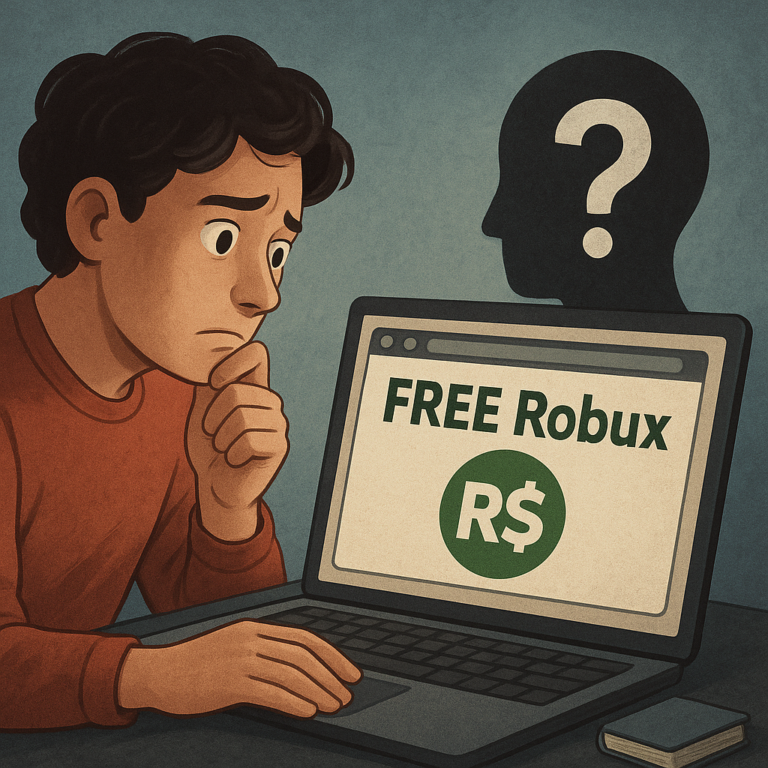
If you spend enough time around Roblox, you will eventually see the same promise repeated in different forms: free Robux, instant rewards, secret methods, or shortcuts that claim to unlock something valuable with almost no effort. That kind of message works because it speaks directly to what many players want. But excitement is exactly what makes people overlook the details that matter most.
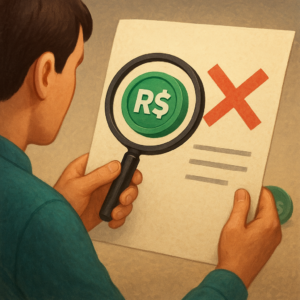
The truth is simple: real Robux opportunities have a clear source, a clear rule, and a clear purpose. Fake ones usually depend on confusion. They want you to click first and ask questions later. If you learn how to slow down and check the basics, the difference becomes much easier to spot. That habit protects your account, your time, and your trust in the game economy.
Start by asking where the Robux would come from
The first thing to check is not how much Robux is being promised, but where it would actually come from. In a legitimate path, the source is visible. It may be a game pass sale, a cosmetic item, a creator payout, or a platform-supported system that explains the flow of value. If the offer avoids that explanation, it is already a warning sign.
Scams often rely on vagueness. They talk about rewards without explaining the mechanics behind them. A serious opportunity does the opposite: it shows the process, names the system, and makes the exchange understandable. That transparency matters because it tells you whether the reward is tied to real activity or just to marketing language designed to attract attention.
Look for rules that match Roblox’s actual ecosystem
Another useful test is to compare the promise with how Roblox actually works. Real opportunities are connected to the platform’s own tools and rules. They may involve creating content, participating in a group, selling an item, or using in-game systems that are part of the game’s design. The important thing is that the path fits the ecosystem.
If the offer sounds detached from Roblox itself, be careful. Claims that promise Robux in exchange for random actions, strange downloads, or personal information usually do not align with how the platform operates. A trustworthy method does not ask you to ignore common sense. It works within the structure the game already provides.
Pay attention to what the offer asks from you
Real opportunities ask for participation. Fake ones often ask for access. That difference is crucial. If a page wants your password, asks you to install unfamiliar files, or pushes a form that requests unnecessary personal information, you should stop immediately. Those requests rarely improve your chances of getting Robux; they usually serve the person behind the offer.
A good rule is to ask whether the request makes sense for the reward. If the answer is no, the offer is probably not legitimate. Players sometimes ignore this step because the promise feels exciting, but the safer habit is to treat every extra request as a signal to verify more carefully before continuing.
Check whether the promise is trying to create urgency
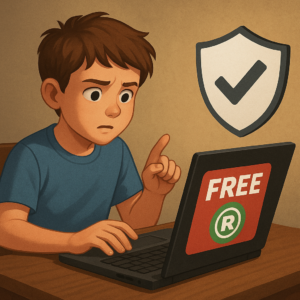
Fake Robux offers almost always rush the user. They may say the chance is limited, the code expires soon, or the reward disappears if you do not act right away. That pressure is intentional. It reduces time for reflection and increases the chance that someone will click before thinking through the offer.
Legitimate opportunities do not need to trap you with panic. They may have deadlines or rules, but they should still be understandable and consistent. When urgency is the main selling point, the offer is trying to win your emotions before your judgment has time to catch up. That is one of the most reliable warning signs you can learn to recognize.
Use reputation as part of your decision
Before trusting any Robux-related offer, look at who is behind it. A credible creator, game, or platform page usually has a track record you can inspect. You can check whether the name is consistent, whether the content has a history, and whether other players are describing the same experience. Reputation is not a guarantee, but it helps separate established sources from random pages built to disappear later.
At the same time, be careful with fake testimonials. A page can easily copy comments, screenshots, or edited clips to look reliable. What matters is whether the source has a verifiable presence and whether its explanation makes sense. If the reputation is unclear or impossible to confirm, treat the offer as unproven until you can verify more.
Choose rewards that come from value, not tricks
The most sustainable Robux opportunities are the ones that exchange value for reward. That value might be creativity, time, game design, community participation, or a purchase inside a legitimate Roblox experience. The common factor is that the reward is connected to something real and useful for the player base.
That is why shortcuts are so risky. They skip the part where value is created and jump straight to the promise of reward. In practice, that usually means the promise is empty. When you focus on paths that are visible, structured, and tied to the platform, you are much more likely to find something that is safe and worth your attention.
Conclusion: the safest Robux path is the one you can explain
If you can clearly explain how a Robux opportunity works, where the reward comes from, and why it exists, you are already in a much safer position than most people chasing quick offers. Real paths do not depend on mystery. They depend on logic, transparency, and platform rules.
That is the easiest way to protect yourself: pause before clicking, ask where the reward comes from, and avoid anything that asks for unnecessary access. In Roblox, the best opportunities are usually not the loudest ones. They are the ones that make sense once you look closely.