
Choosing a Roblox creator game wisely starts before the serious grind. The opening minutes can reveal whether an experience has a clear loop, useful feedback, and a fair reason to continue. Instead of chasing popularity or thumbnails, inspect how the game teaches, rewards, and guides you before giving it attention.
This approach helps both players and thoughtful creators. Players can spot confusing systems, rushed purchases, and rewards that never justify the effort. Creators can see why clarity and trust matter for retention. Use the checklist below to judge the actual experience, not just its advertising, player count, or loudest recommendation.
Read the Roblox Opening Loop Before You Commit
Start by watching what happens after you spawn. A good experience gives you one understandable action, a visible response, and a reason to repeat it. Notice whether sounds, animations, or numbers explain results. You should not need to decode menus, search videos, or memorize symbols before discovering what makes playing worthwhile.
Pay attention to feedback, not spectacle. Does an action produce a sound, animation, number, or other signal explaining its result? Can you tell what changed after collecting an item or completing a task? Clear feedback reduces guesswork and shows the developer values comprehension, a stronger signal than polished scenery alone.
Test Whether Rewards Match Real Effort
Trace the First Meaningful Upgrade
A reward path should connect effort with a result you can understand. Early progress need not be fast, but it should feel intentional: a completed task might unlock a tool, ability, area, or choice. When rewards appear randomly or stay hidden behind repetition, you question whether effort will pay off.
Notice the Pace Between Goals
Notice how distance between goals changes once novelty fades. A game may provide generous rewards at first and then create a wall that pushes spending or repetition. Try tasks to see the pattern while respecting your limits. Consistent pacing is more trustworthy than an exciting opening followed by artificial scarcity.
Separate Helpful Robux Purchases from Pressure
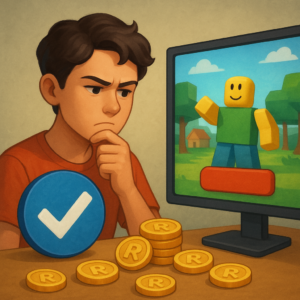
Robux purchases deserve a closer look after you understand the free loop. Optional cosmetics, convenience features, or creator-support items can be reasonable when the core game remains enjoyable without them. Ask whether the offer adds value or repairs a frustration the experience deliberately created. That difference reveals its monetization philosophy.
Watch the timing, wording, and visibility of purchase prompts. Pressure appears as countdowns, repeated interruptions, shame-based messages, or claims that everyone else bought an upgrade. Such tactics can make weak reward paths feel urgent. Pause whenever a prompt tries to rush a decision, especially before you know exactly what changes.
Read Community Patterns Beyond Player Count
After learning the loop, observe what real players are doing. Active movement, purposeful cooperation, and strategy conversations suggest that systems give people reasons to participate. Empty spaces do not prove failure, because timing matters, but repeated inactivity or confusion can reveal a design that attracts clicks without sustaining player interest.
Read community reactions with skepticism, but do not ignore patterns. Useful guides and specific praise often point to durable systems. Meanwhile, recurring complaints about locked basics, surprise fees, exploits, or abandoned updates deserve attention. One comment proves little; consistent reports across players can change your estimate of the game’s value.
Price Robux Purchases Against Future Use
Before buying, translate the price into likely use rather than excitement. Ask how often you will return, whether the benefit remains useful after novelty ends, and whether the same Robux could support a game you already trust. This comparison prevents impulse spending without requiring you to reject every paid feature.
Also separate a purchase that improves expression from one that sells relief. A cosmetic can let you personalize a character, while a boost may shorten repetitive work. Neither is good or bad. Judge the offer by clarity, proportionality, and its effect on non-paying players. Choices leave room to decline comfortably.
Use a Consistent Roblox Checklist
Use these questions whenever you test an experience. What is the core action? How soon does the game explain it? Do rewards match effort? Are purchases optional and understandable? Do players seem engaged for a reason? Set a stopping rule for unclear progress, aggressive prompts, or unreasonable reward walls, and compare notes later.
Choose Games That Respect Attention
Good judgment is not about finding a Roblox game on the first try. It is about recognizing whether an experience earns your next minute, session, or Robux purchase. Check the opening loop, reward pacing, monetization, community signals, and value each time. Choose games that respect your attention and earn commitment.