
Roblox marketplace purchases may feel small, yet repeated decisions can drain a balance quickly. An evaluation separates excitement from value, helping you decide whether an item improves play, supports creativity, or satisfies an impulse. The goal is not to reject cosmetics; it is to match purchases with priorities and budget.
Before opening an item’s page, identify the result you expect from owning it. You might want progression, access to a feature, an avatar design, or more enjoyment in a game. Naming that result creates a standard for judging price, usefulness, and satisfaction rather than letting popularity make decisions for you.
Define the Item’s Purpose
Start by asking what job an item should perform after novelty disappears. A gamepass can unlock content or remove friction, while an accessory may express a style you enjoy. Limited items offer collection appeal, but rarity alone does not guarantee meaningful value. Write the intended benefit in one clear sentence.
That sentence protects you from confusing a purchase with an identity. If you want an advantage, assess the feature’s effect rather than its description. If you want personal expression, judge the design against your wardrobe and games you often play. A clearly defined purpose makes a decision easier to review.
Separate Style from Utility
Visual appeal and utility deserve scores because they answer different questions. Utility asks what the item changes, unlocks, or simplifies. Appearance asks how much you enjoy seeing or wearing it. An accessory can score on style without affecting gameplay, which is acceptable when you recognize it as cosmetic, not functional.
Judge a cosmetic purchase fairly by asking whether its appeal will survive repeated use. Consider color, compatibility, animation quality, and fit with outfits you already own. An item that matches nothing may see less use than a simpler piece. Treat style as value, but measure it through habits, not promises.
Measure Frequency of Use
Frequency of use reveals more than impressions. Estimate how many play sessions, outfits, or moments the item will enter this month, then compare that estimate with its price. An item used daily may justify cost, while something used once for a screenshot deserves a test. Usage turns excitement into evidence.
Estimate Repeat Value
Think in terms of repeat value rather than one moment. Ask whether the purchase will remain useful after a week, a month, or a change in play. Benefits grow when they support a routine; others shrink when an event ends. This view helps you avoid paying a premium for attention.
Compare Alternative Uses
Price only becomes meaningful when you compare it with alternatives. For the same Robux, you might buy smaller items, save toward a gamepass, keep a reserve for an event, or wait for an opportunity. List one alternative before buying; compare the item with a purchase that serves you much better.
Use Your Routine as a Benchmark
Comparison does not require choosing the cheapest option. An expensive gamepass may deliver strong value if it improves every session, while a low cost accessory can be worthwhile when it completes an avatar you enjoy. Consider cost and benefit, then ask whether the price difference buys something you will notice.
Resist Hype and Scarcity
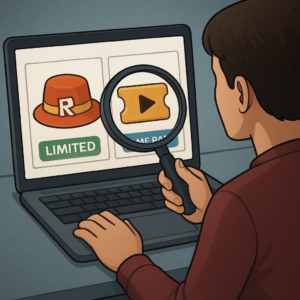
Scarcity and thumbnails can make an item feel more valuable than it is. Pause when a listing suggests that waiting means losing everything, although you had no interest before the promotion. Urgency is a sales tactic, not proof of quality. Give yourself time to want the item for its benefits.
Scarcity can be real, but it does not make an item a good purchase. Ask whether you would want the item at that price without a timer, trending label, or endorsement. If the answer changes, your interest may be driven by pressure rather than value. Waiting overnight can expose that difference.
Run a Simple Value Check
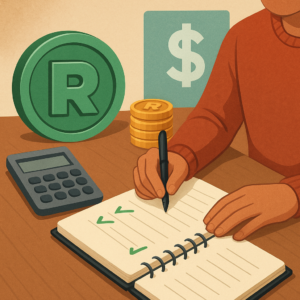
Use a checklist before you confirm the transaction. State the item’s purpose, estimate how often you will use it, compare alternatives, and identify pressure affecting your decision. Then check the balance and protect Robux for priorities you already planned. This process takes minutes but can prevent regret that lasts longer.
Do not treat the checklist as a rule against fun. Its purpose is to make spending deliberate, so a cosmetic item can be enjoyed without pretending it offers power. You can set a spending limit, such as a Robux allowance, and record purchases. Seeing patterns in spending makes evaluations honest.
Spend for Value, Not Noise
Good marketplace decisions come from clarity, not predicting which item will impress everyone. Define the benefit, separate appearance from utility, estimate use, and compare the purchase with alternatives. Then keep hype from controlling timing. These steps let you spend on items that fit games, style, and priorities while preserving flexibility.
Before you spend Robux, pause to answer the question: what value will this item provide me? An answer may support the purchase, reveal an alternative, or show that waiting is wiser. Review the choice because changing your mind is a strength. Spend for value, enjoy choices, and let intention, not noise, guide your marketplace decisions.