In Roblox, attention is one of the hardest things to earn. A player can enter a game out of curiosity, look around for a few seconds, and leave just as fast if nothing gives them a reason to stay. That is why reward loops matter so much. They are the invisible structure behind experiences that feel satisfying, motivating, and worth returning to. When a game gives the player an action, a reward, and a reason to continue, it creates momentum. That momentum is what turns a short visit into a longer session and, in many cases, into a repeat visit.
For creators, reward loops are not just a design detail. They affect how players understand progress, how they value their time, and how likely they are to interact with the game’s economy. A well-built loop can support engagement without feeling pushy. A weak one can make even a promising game feel flat. In practice, the best reward loops are simple to understand, easy to repeat, and satisfying enough to make the player want one more round.
What a reward loop actually does
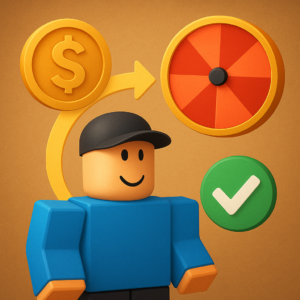
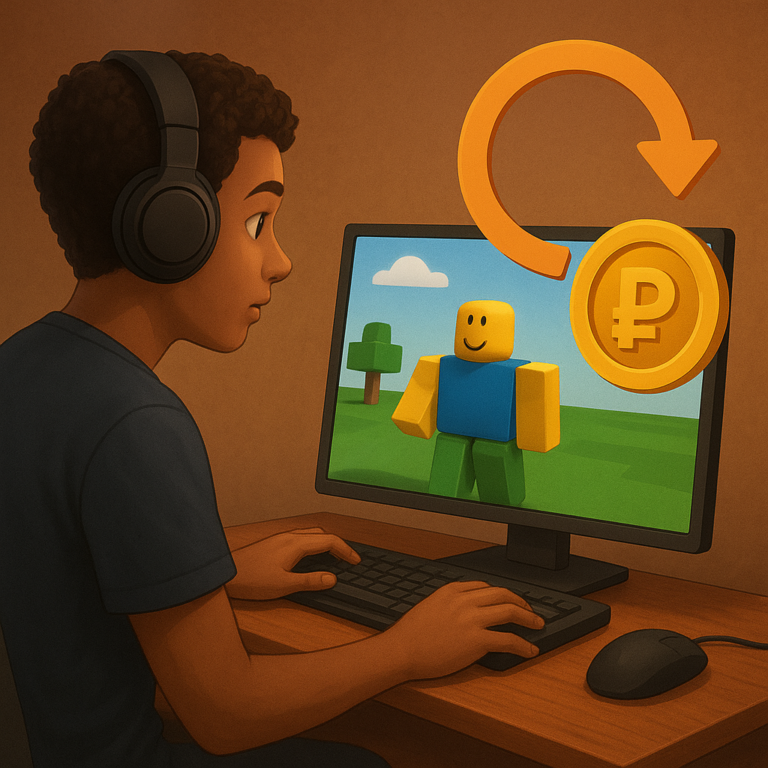
A reward loop connects action to payoff. The player does something, receives feedback, and feels progress. That may happen through coins, items, experience points, unlocks, or access to new areas. The important part is not the size of the reward. It is the sense that effort leads to something meaningful. In Roblox, that sense of progress is often what keeps people from dropping a game too quickly.
Good loops also help players understand what to do next. Instead of wandering without direction, they see a clear goal and a visible result. That clarity reduces friction and creates confidence. When the structure is clean, the player spends less time figuring things out and more time interacting with the game itself.
Why players respond so strongly to progress
Progress is powerful because it gives meaning to repeated actions. If a player collects five items and gets nothing back, repetition can feel empty. If the same action leads to a reward, the same effort suddenly feels worthwhile. That is the psychology behind many successful Roblox experiences. The player is not just moving through a map; they are building something, unlocking something, or getting closer to a goal.
This matters even more in games that rely on retention. A player who understands progress is much more likely to come back later. They remember where they left off, what they were working toward, and why the next session matters. That continuity is what makes a game feel alive instead of disposable.
Simple loops usually work better than complicated ones
Many new creators assume that complexity makes a game more impressive. In practice, too many systems can confuse players and break the flow. A strong reward loop usually starts with one repeatable action. The player collects, completes, defeats, upgrades, or unlocks something, then receives a result that pushes them toward the next step. The action does not need to be flashy. It just needs to be understandable and satisfying.
Simple loops are also easier to test and improve. If something feels off, you can see where the rhythm breaks. Maybe the reward takes too long, maybe the next goal is unclear, or maybe the payoff does not feel useful enough. When the loop is simple, those problems are easier to fix.
How reward loops support in-game rewards and monetization
A reward loop becomes even more important when the game has items, upgrades, or premium features. Players are more likely to value a purchase when it fits into a system they already understand. For example, a game pass that speeds up progress makes more sense if progress itself already feels rewarding. A cosmetic item feels stronger when players are actively engaged and want to personalize what they have earned.
The key is to avoid breaking the experience. If the loop feels like it exists only to push sales, players notice. But when monetization supports the same rhythm as the gameplay, it feels natural. That is why reward loops and in-game rewards are so closely connected: they give structure to both motivation and value.
Building loops that keep players coming back
The best loops are not only good for the current session. They also create anticipation for the next one. That can happen through daily bonuses, unlockable milestones, limited challenges, or progression systems that encourage the player to return. What matters is that the player leaves with a clear memory of unfinished momentum. They know what they were building toward, and they have a reason to resume later.
For Roblox creators, this is one of the most useful ideas to understand. A game does not need giant systems to be successful. It needs a loop that gives players a reason to care, continue, and return. When that loop is designed well, engagement stops being an accident and becomes part of the experience itself.
Conclusion
Reward loops are one of the clearest examples of how game design shapes player behavior. They make progress visible, help players stay focused, and support the kinds of experiences that feel worth revisiting. In Roblox, where competition for attention is intense, that structure can make the difference between a game that fades quickly and one that grows over time. If you want players to keep coming back, start by making the reward loop feel clear, fair, and satisfying from the very beginning.