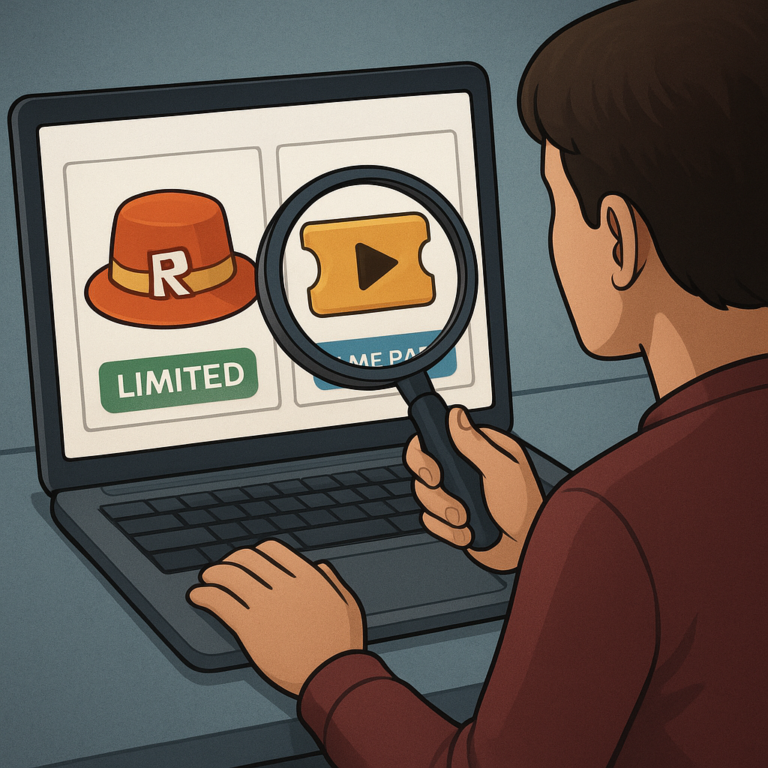
Roblox Marketplace browsing can turn a decision into a rushed purchase when a limited item, popular style, or exciting gamepass captures your attention. Before spending Robux, define what you want, compare realistic benefits, and consider how long the choice will remain useful. A simple process helps your balance support enjoyment instead of regret.
The comparison is not always between the cheapest and most expensive options. It asks whether an accessory, bundle, or gamepass fits your playstyle, works as expected, and earns its place among your choices. Use the checks below to separate value from excitement while keeping your spending aligned with the experiences you enjoy.
Define the Item’s Purpose
Before comparing marketplace choices, identify the item’s job. An avatar accessory may support a look, while a gamepass may provide convenience or access within an experience. Write its purpose in a sentence, then judge the purchase against it. If you cannot describe the benefit, the item may be appealing because it is visible.
Purpose changes the standard you use for comparison. Judge cosmetics by how well they complement outfits and whether you will wear them repeatedly. Judge functional purchases by the time, access, or convenience they provide during play. This distinction prevents you from comparing every item as though appearance, popularity, and benefit had the same meaning.
Compare Usefulness, Not Just Appearance
Test Daily Relevance
Appearance deserves consideration, but it should not carry the entire decision. A catalog image can lose its appeal once an item is worn, while a modest accessory may work with several outfits and remain useful for weeks. Compare flexibility, repeat use, and compatibility with your style before treating visual excitement as proof of value.
Use a repeat-use test to estimate lasting usefulness. Imagine your next sessions and ask whether the item will still matter after the reveal. Consider how often you change outfits, revisit an experience, or rely on a feature. Frequent use does not guarantee a good purchase, but rare use makes the price harder to justify.
Look beyond the item page and consider how a purchase behaves in play. An accessory may be easy to combine but hard to notice, or a feature may seem powerful while offering little benefit in your favorite experience. Read the description carefully, check any limitations, and avoid assuming that presentation guarantees broad usefulness.
Measure Price Against Long-Term Value
Price becomes meaningful only when you connect it to expected use. An inexpensive item can waste Robux if it quickly becomes irrelevant, while an expensive purchase can make sense when it supports a habit you maintain. Ask what the item contributes over time, not merely whether its price feels small, discounted, or popular.
Compare the purchase with alternatives, including waiting and keeping the Robux. For a gamepass, estimate how often you will use its benefit and whether that benefit saves effort. For an accessory, compare versatility and expected wear with choices. The best price is not simply the lowest; it is the one that fits your use.
Check Whether the Choice Fits You
Match Purchases to Your Playstyle
Good marketplace decisions depend on personal fit, not a ranking of what players prefer. Think about the games you return to, the styles you wear, and features you understand. An item can be designed and still be wrong for you if it belongs to a routine you rarely follow or game you open infrequently.
Match each choice to your play pattern before you compare it with enthusiasm. If you customize avatars, prioritize pieces that combine with clothing you own. If you return to one experience, investigate whether a feature supports activities you enjoy. This approach keeps recommendations in perspective and makes your account an important source of evidence.
Resist Urgency and Marketplace Hype
Limited availability and attention can make a decision feel like an emergency. Pause when a countdown, trend, or creator makes you fear missing out. Ask whether you wanted the item before seeing the pressure, and give yourself time to inspect alternatives. Urgency is a reason to slow down, not proof of a wise purchase.
Separate evidence from excitement by checking what the purchase actually changes. Does it add a feature, improve convenience, complete a style, or simply signal that you followed a trend? No answer is wrong, because cosmetic enjoyment matters too. The key is recognizing the reason, so you do not mistake temporary pressure for lasting satisfaction.
Build a Repeatable Comparison Routine
A repeatable comparison routine can take less than a minute once you practice it. Name the purpose, estimate repeated use, compare the price with alternatives, test personal fit, and pause for pressure. These questions turn browsing into a decision instead of a reaction. They make it easier to explain why a purchase deserves your Robux.
Keep a record of purchases that worked and those you stopped using. Over time, that record reveals whether you prefer styles, benefits, or price ranges. Apply those lessons before your purchase, while remembering that preferences can change. Careful comparison does not mean avoiding treats; it means choosing treats that remain enjoyable after excitement fades.