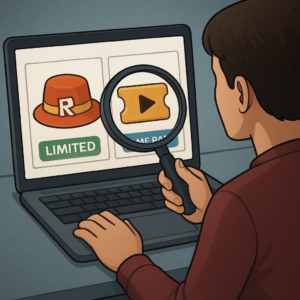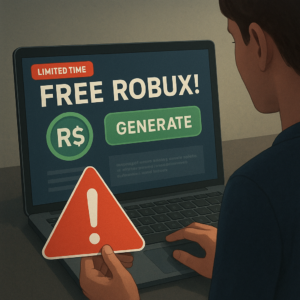

Robux can disappear through purchases that feel tiny, timely, or harmless. A game pass, avatar item, or temporary boost may seem reasonable, yet several quick decisions can leave little balance for experiences you genuinely enjoy. A smart spending habit gives each purchase a purpose, creates room for reconsideration, and keeps excitement from controlling your choices.
The goal is not to reject every optional purchase or make play feel like accounting. Instead, use repeatable questions before and after spending. Decide what you want Robux to accomplish, pause when an offer feels urgent, and learn from your results. This turns your balance into a resource you direct, not something that vanishes accidentally.
Give Each Robux Purchase a Clear Job
Before opening a purchase screen, name the benefit you expect to receive. Perhaps you want easier progression, access to a favorite activity, or a cosmetic style you will use repeatedly. Stating that benefit separates a deliberate choice from a vague feeling that an item might improve your session. If you cannot explain the purpose, wait.
Name the Benefit Before Buying
Write the reason in a note or mental sentence before confirming. This act makes the decision specific enough to evaluate later. Ask whether the purchase supports a game you return to, solves a recurring annoyance, or adds decoration. None of these reasons is automatically wrong; the important point is knowing which applies.
Let Time Test the Urgency
Urgency deserves its own safeguard because excitement changes how a price feels. When a screen highlights a timer, a limited supply, or another player’s purchase, your attention shifts toward losing the opportunity. Do not treat that feeling as evidence of value. Treat it as a signal to slow down and let your ordinary judgment return.
Create a Waiting Window That You Can Keep
Choose a waiting period that feels realistic, such as a day for a nonessential item. During the pause, leave the offer, play something else, and revisit your original reason. If the desire fades, you saved Robux without losing anything important. If the reason remains strong, you can decide with better information and less emotional pressure.
Judge Value by Repeated Use
A lower price is not automatically a better purchase. Compare the likely benefit with the total Robux cost, then estimate how often you will use the item. Frequent use can make a moderate price reasonable, while a cheap novelty may have poor value if it disappears from your routine. Think about usefulness after excitement passes.
Compare Impact With Total Cost
Compare offers by asking what each one changes in your actual play. Does it remove a repeated frustration, open content you already want, or support a game you revisit often? A discount matters only after usefulness is established. Check for temporary access, restrictions, or unused features, because a headline price rarely tells the whole story.
Divide Your Balance Before You Spend
Before spending, divide your available Robux into broad purposes. One portion can support planned essentials, another can cover entertainment, and a protected remainder can stay untouched. The exact percentages do not matter as much as the separation. Categories create a boundary, making it harder for one exciting offer to consume money reserved for future choices.
Reserve Robux for Future Choices
If your Robux arrives irregularly, protection becomes even more useful. Decide on a minimum balance you will not cross unless a purchase has a strong, lasting reason. This reserve keeps a single session from determining your whole month of options. It also reduces anxiety, because you know some flexibility remains after an enjoyable purchase.
Spot Pressure Tactics Before They Decide
Pressure often appears as design rather than an explicit command. Repeated prompts, dramatic wording, social comparisons, and unexplained countdowns can make delay feel foolish. Notice those signals without assuming they prove a deal is worthwhile. Step away from the screen, verify the offer through Roblox interfaces, and return only when the decision still feels sound.
Treat Countdown Messages With Caution
Treat countdowns as information to investigate, not instructions to obey. Check what actually ends, whether the item returns, and whether the stated benefit fits your plans. Be equally careful with claims that everyone is buying or that waiting means falling behind. Your enjoyment does not depend on matching another player’s timing, balance, or collection.
Turn Past Purchases Into Better Rules
Review a purchase after several days, when the first burst of excitement has settled. Ask how often you used it, whether it delivered the promised benefit, and whether it displaced something better. Record the answer in a simple note if helpful. These observations reveal your personal patterns more reliably than general opinions or flashy recommendations.
Use Reviews to Refine Your Habits
Use those reviews to adjust rules rather than to criticize yourself. If cosmetic items go unused, reserve less for them; if a certain pass consistently improves play, recognize that pattern. A small record turns isolated spending into useful evidence. Over time, your decisions become faster because you understand which benefits survive beyond the purchase moment.
Keep Your Balance Aligned With Play
Protecting Robux is ultimately a practice of choosing deliberately. Give purchases a job, wait through artificial urgency, compare lasting usefulness, and preserve part of your balance. Then review what happened and let experience improve the next decision. You do not need restraint; you need a process that keeps your balance aligned with how you play.