Roblox is creative and social, so safety habits should be easy to use. New players can move from exploring a game to opening a message or considering a purchase within moments. That speed makes play exciting, but it can encourage rushed mistakes. A routine can protect your account and information without taking away fun.
Good protection comes from repeating a few sensible choices rather than memorizing every warning. Secure access, question surprising links, slow down around rewards, and review conversations or purchases before acting. These habits give beginners a clear response when something feels urgent, confusing, or unusually generous. The goal is confident play, not constant worry.
Protect Your Roblox Account First
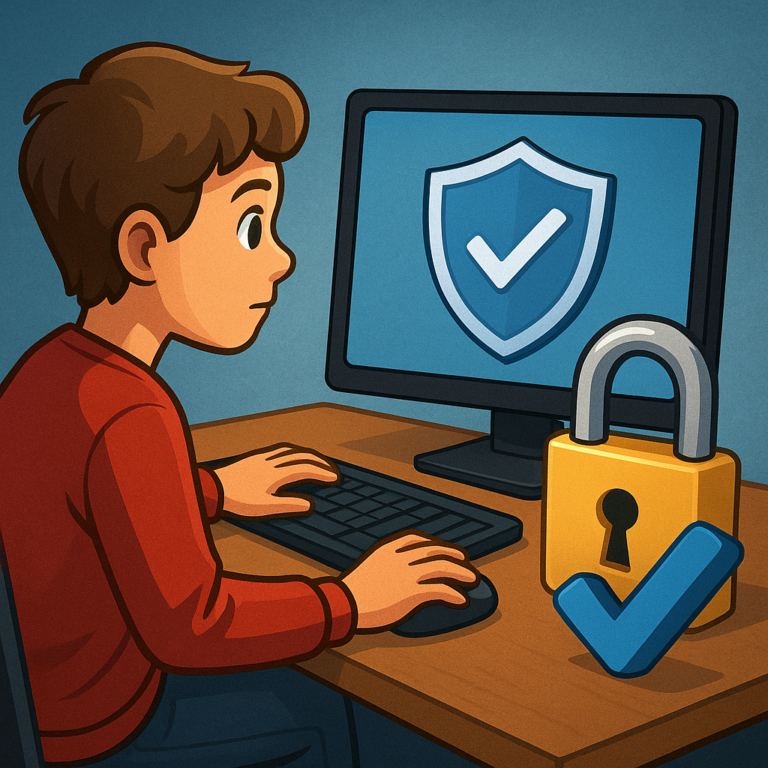
Start with account protection before looking for items or bonuses. Use a password that is difficult to guess and avoid reusing one from another service. Keep login details private, even when a friend promises help or offers a tempting trade. Review security settings and enable protections that fit your account. Access controls make decisions safer.
Treat the account like a wallet: personal, valuable, and not for casual sharing. Never send passwords, recovery codes, or verification details through chat. Legitimate support should not need secret credentials from another player. Watch for unfamiliar devices, changed contact information, or messages you did not write. Early attention can limit damage and make recovery easier.
Strengthen Login Basics
A safer login routine means separating help from pressure. Someone may claim they can fix a problem or verify a prize, but that promise does not justify access. Ask what action is required, then use normal account settings instead of a private link. When uncertain, stop and check independently. Keep control of your account.
Verify Links Before You Click
Links deserve a pause because familiar logos and exciting headlines can hide unsafe destinations. Before opening one, consider who sent it, where it leads, and whether the request makes sense. Be careful when a page asks for a password, a download, permission, or repeated confirmation. A link inside a game is not automatically trustworthy.
Check the address and wording before entering anything, especially when a message creates urgency. Misspellings, strange domains, excessive popups, and requests to move elsewhere are warning signs. Do not assume a page is official because it uses Roblox images or familiar colors. Find information through platform navigation or an official channel. Verify it takes seconds.
Pause at the Login Screen
At a login screen, ask whether you reached it through a trusted route and whether the address looks consistent. Never enter credentials to test a promise or unlock a giveaway. Close an unusual page, then open the service directly through a route. This pause breaks scammer pressure and makes refusal easy.
Question Effortless Reward Promises
Promises of free Robux, rare items, or effortless advantages deserve skepticism when they demand immediate action. A genuine promotion should have terms, a recognizable source, and an explanation of what participants do. Suspicious offers emphasize urgency instead of details. They request credentials, information, downloads, or shares before revealing anything. When rewards sound effortless, slow down.
Ask three questions before trusting an offer: who benefits, what access it requests, and why it is advertised. If answers are vague, the risk is not worth a few virtual items. Do not let a countdown, limited quantity, or excited crowd decide for you. Leave questionable interactions; report them if needed. Then walk away.
Plan Spending Before Shopping
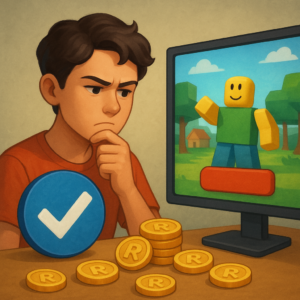
Spending safety begins before the marketplace opens. Decide how much you can use, what kind of purchase supports your goals, and which items are worth considering. A limit turns browsing into a choice instead of reacting to bright images. If money is involved, include a parent or guardian when appropriate. Clear boundaries keep purchases enjoyable.
Use a cooling period for expensive or uncertain purchases. Put an item on a list, compare alternatives, and return later with your budget in mind. This separates lasting interest from an impulse caused by a sale or social pressure. Check the final price and confirmation before approving anything. Thoughtful spending protects your resources and enjoyment.
Manage Social Play and Build a Safety Check
Social safety matters because games connect players with ages, intentions, and boundaries. Keep conversations focused on the game, and avoid sharing your name, location, school, or contact details. Decline questions that feel too personal without explaining yourself. Use mute, block, and report tools when someone becomes abusive. Ask an adult for help.
Create a check for moments that invite action. Before clicking, trading, chatting, or buying, ask what you will share, who benefits, and whether you can verify the request. If an answer feels unclear, pause and choose a safer route. Use the checklist after messages, offers, or unfamiliar games. Practice makes caution automatic.
Safety becomes easier when a routine fits naturally into play. Keep protective settings in place, treat surprising requests as reasons to pause, and keep personal details private. You can still explore worlds, trade fairly, join communities, and enjoy creative challenges. Review habits as experience grows, then keep fun in your hands.