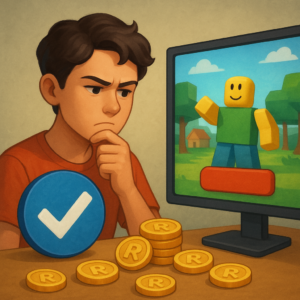

Roblox is more than a library of games; it is a connected marketplace of attention, creativity, virtual goods, and player choices. Learn to read that system by noticing how experiences earn trust, how creators invite spending, and how rewards shape behavior. A clearer view helps you spend Robux and time with purpose.
The same perspective helps an aspiring creator understand why some projects grow while others disappear after an exciting launch. Roblox rewards useful design, consistent updates, satisfying progression, and communities that feel respected. It also exposes weak ideas: empty hype, confusing offers, and monetization that asks for payment before delivering a worthwhile experience.
Understand what the economy actually rewards
The creator economy rewards experiences that give players a reason to return, recommend, and participate voluntarily. That reason may be enjoyment, social connection, customization, convenience, status, or meaningful progress. A strong game needs a clear promise and must deliver it reliably, so players believe their time is well spent today.
In practical terms, value drives the flow of Robux and attention. When players feel respected, they are more willing to stay, explore, and support a creator. When they feel trapped by artificial barriers, they may leave even if the game is enjoyable. Smart analysis therefore asks whether monetization strengthens the experience or merely interrupts it.
Spot value signals
Look for value signals before judging a popular experience. Are its activities understandable, its rewards connected to effort, and its progression paced for both newcomers and regulars? A game can be simple and still be valuable if each session offers a satisfying choice. Complexity alone is not evidence of quality, especially when it hides repetition.
Prefer sustainable reward loops
A sustainable reward loop gives players a reason to act without making them feel manipulated. For example, a creator might combine challenges, optional cosmetics, and social milestones. Each element encourages activity, yet none needs to threaten the player’s progress. Rewards should feel earned and understandable; otherwise, the loop becomes exhausting.
See why attention is a form of value
On Roblox, attention is part of the value chain, not merely a side effect of play. A game with strong retention becomes easier to recommend, improve, and monetize responsibly. Developers therefore watch return visits, session patterns, and community activity. Players can use the same clues by asking whether an experience rewards time or stretches tasks.
Attention becomes valuable when it produces a healthy exchange. Players receive enjoyment, discovery, competition, or connection, while creators receive feedback, visibility, and potential revenue. The exchange breaks down when a design uses endless prompts, misleading countdowns, or forced waiting without meaningful payoff. Notice how you feel after playing, not only how long you stayed.
Place game passes in the bigger system
Game passes show how a free experience can become a personalized product. They may offer access, convenience, extra storage, visual customization, or another feature that changes how someone plays. A useful pass solves a real preference or friction point. It should be understandable before purchase, and its description should match what the player actually receives.
A weak pass, by contrast, feels like a toll placed on enjoyment. It may remove an obstacle that the creator intentionally created or promise status without delivering meaningful distinction. Brief sales can hide that weakness, but disappointed buyers remember it. Over time, confusing value damages reviews, retention, and the willingness of players to trust offers.
Check pricing and clarity
Fair pricing begins with clarity. Before buying, a player should know what a pass includes, whether it is permanent or temporary, and how it affects play. Clear descriptions reduce accidental purchases and let people compare value calmly. Creators benefit too, because honest explanations attract buyers who understand the offer instead of expecting something different.
Treat creator trust as an economic asset
Trust is an economic asset because it lowers uncertainty. Players return to creators who communicate changes, fix problems, and keep promises about rewards. They are also more willing to recommend those experiences to friends. For a creator, every transparent update can strengthen the audience relationship, while every misleading claim can make future launches harder.
Use a smart spending checklist
Before spending Robux, separate lasting value from momentary excitement. Ask whether the purchase improves your regular play, adds meaningful expression, or supports a creator you genuinely want to encourage. Consider the price alongside your available budget, because a digital item should remain entertainment, not become a source of pressure. Waiting can clarify the decision.
A smart player also watches the experience after purchase. Does the feature work as described? Does the creator continue improving the game, or do new offers replace updates? Your answers reveal whether the economy is built around durable value. Spend where the exchange feels fair, and leave when pressure, confusion, or disappointment becomes the product.
Learn the system, then use it wisely
Reading Roblox like a smart player means looking beyond the bright surface of a game page. Follow the links between attention, design, pricing, progression, and trust. When those parts support one another, spending can feel like a fair choice rather than a demand. When they conflict, pause and investigate before committing your time or Robux.