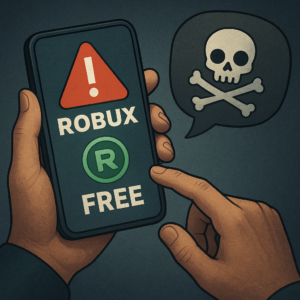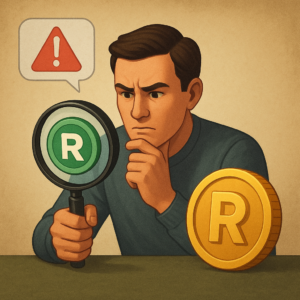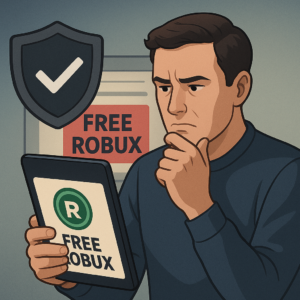
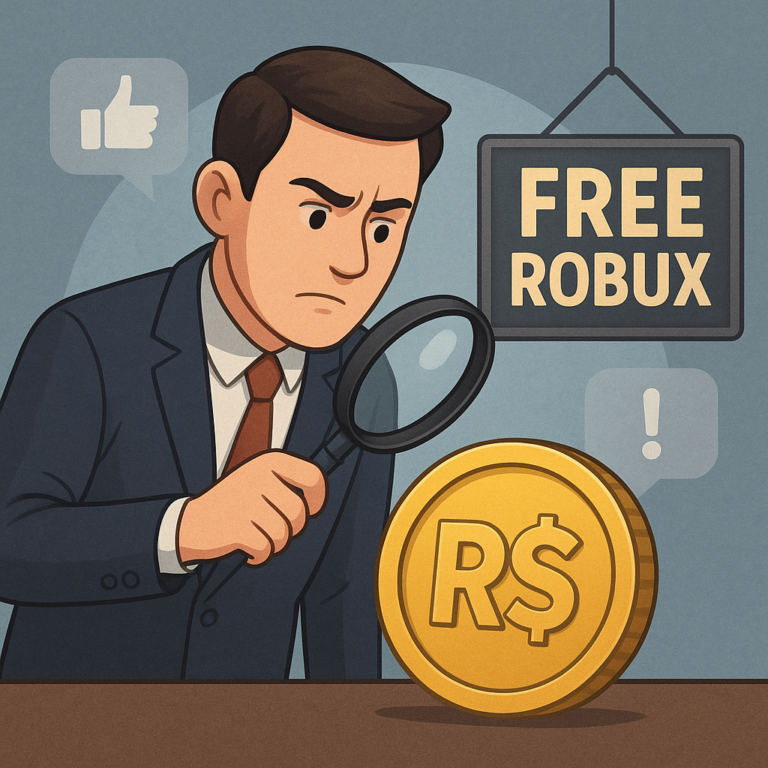
If you spend enough time around Roblox, you will eventually see the same promise repeated in different forms: free Robux, instant rewards, secret methods, or shortcuts that claim to unlock something valuable with almost no effort. That kind of message works because it speaks directly to what many players want. But excitement is exactly what makes people overlook the details that matter most.
The truth is simple: real Robux opportunities always have a clear source, a clear rule, and a clear purpose. Fake ones depend on confusion. They want you to click first and ask questions later. If you learn how to slow down and check the basics, the difference becomes much easier to spot. That habit protects your account, your time, and your trust in the game economy. It also helps you make better decisions whether you are a player, a parent, or someone just trying to understand how Roblox rewards really work.
Start by asking where the Robux would come from
The first thing to check is not how much Robux is being promised, but where it would actually come from. A real method always has a visible source. It may be tied to game pass sales, item purchases, creator payouts, or another official Roblox system. If that origin is vague or hidden, the offer deserves a close look. The source matters because it tells you whether the reward is part of the platform’s economy or just a marketing trick designed to collect clicks.
Scams often avoid this question altogether. They talk about “generators,” “bonus codes,” or “special access” without explaining the mechanism behind the reward. That is a warning sign. A legitimate opportunity can be explained in plain language. If the offer can only survive by staying mysterious, it is probably not worth your attention.
Look for a rule that makes sense inside Roblox
Another good test is whether the opportunity follows a rule you can understand. In Roblox, rewards usually come from activity that creates value: building a game, offering a cosmetic item, participating in a system approved by the platform, or contributing in a way that is consistent with the game’s economy. That logic should be visible. If the process sounds detached from how Roblox actually works, something is off.
This is where many fake promises fall apart. They may ask you to install something, share personal data, or complete unrelated tasks that have nothing to do with Roblox. The promise sounds exciting, but the connection to the reward is weak. Real opportunities do not rely on random steps. They make sense from start to finish, and they do not ask you to ignore common sense just to keep going.
Check whether the page or creator explains the process clearly
Clarity is one of the strongest signs of trustworthiness. A real opportunity will usually explain what you need to do, what the reward depends on, and what limitations exist. It does not need flashy language to convince you. It needs enough detail for you to understand the path. That is important because genuine systems are usually transparent about effort, timing, and conditions.
By contrast, misleading pages often use urgency instead of explanation. They push phrases like “limited offer,” “only today,” or “secret method” to keep you moving before you can think critically. That pressure is part of the tactic. If the process is never fully explained, you are being asked to trust the promise rather than the evidence. That is usually the wrong direction.
Pay attention to the kind of action being requested
One of the easiest ways to identify a risky offer is to look at what it asks you to do. Safe opportunities usually involve normal platform behavior: playing, creating, trading value through official systems, or engaging with features that belong to the game. Unsafe offers often ask for things that are unnecessary or unrelated, such as passwords, downloads, browser extensions, suspicious links, or personal information that should never be required.
The more the request feels disconnected from the reward, the more careful you should be. A legitimate Robux path should not depend on giving away access to your account or device. If the offer needs that kind of trust up front, the reward is probably not the real product. Your data is.
Compare the promise with the player experience
A simple reality check can save a lot of trouble: does the experience feel like it is helping the player, or just pushing them toward a promise? Real Robux opportunities are usually attached to something useful, fun, or meaningful within the ecosystem. Even when they require effort, that effort makes sense in context. The player builds, sells, earns, or participates in a way that matches the platform.
Fake offers often feel broken the moment you inspect them. They may promise huge rewards for tiny actions, hide the rules, or change the requirements mid-way. That mismatch between promise and experience is one of the clearest signs that you should stop. If the path feels more confusing than rewarding, it is better to step back than to keep going out of curiosity.
Choose patience over urgency
The strongest protection against empty promises is patience. Scammers depend on rushing you. They want you to react before you compare, verify, or think. When you slow down, their leverage drops. You start noticing the gaps: no clear source, no clear rule, no real explanation, and no reason the offer should exist outside of the hype around it.
That mindset is valuable because it turns Robux from a “shortcut” chase into a practical decision. Instead of treating every promise as a chance you might miss, you begin to judge it by structure and logic. That is the difference between a player who gets pulled into a trap and a player who knows how to evaluate opportunities with confidence.
Conclusion: trust the structure, not the excitement
Safe Robux opportunities are not mysterious. They are usually visible, explainable, and connected to the way Roblox already works. If an offer hides the source of the reward, demands unusual action, or depends on pressure to keep you moving, it is smart to walk away. Real value does not need to disguise itself.
Once you get used to checking the source, the rule, and the request, the whole topic becomes much easier to navigate. You spend less time chasing empty promises and more time recognizing what actually deserves your attention. In the long run, that is the safest and most useful approach for anyone who wants to understand Robux without falling for the noise around it.