In Roblox, attention is one of the hardest things to earn. A player can join a game out of curiosity, spend a few seconds looking around, and leave just as quickly if nothing pulls them deeper into the experience. That is why reward loops matter so much. They give the player a reason to act, a reason to stay, and a reason to come back later. When the loop is clear, the game stops feeling like a one-time visit and starts feeling like a system with momentum.
For creators, that matters because Robux generation is rarely tied to a single feature. It usually comes from a structure that keeps people engaged long enough to notice value, return to progress, and interact with the game’s economy. In other words, the reward loop is not just a design detail. It is often the foundation that makes monetization and retention work together.
What a reward loop actually does
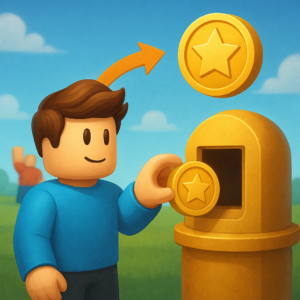
A reward loop connects action to payoff. The player does something simple, receives feedback, and feels progress. That might be collecting coins, unlocking a chest, finishing a short mission, or completing a challenge that opens the next step. The important part is not the size of the reward. It is the clarity of the connection between effort and result. When that connection is easy to understand, players usually feel more motivated to continue.
In Roblox, the best loops are often the simplest ones. A game that explains itself quickly can hold attention better than one that is overloaded with features. If the player understands what to do in the first minute, they are more likely to stay long enough to see how the experience evolves. That is where the loop starts doing its job.
Why players respond to visible progress
Players like progress they can see. A meter filling up, a level increasing, or a new area unlocking creates a sense that time spent in the game is paying off. That feeling is powerful because it turns effort into momentum. Without visible progress, the game can feel flat even if the mechanics are technically good. With progress, even small tasks feel meaningful.
This is one reason reward loops are so effective in Roblox games. They give the player a steady sense of movement. If every action leads to something noticeable, the player is less likely to get bored. That does not mean every reward has to be huge. Small wins can be just as effective when they arrive consistently and point toward a larger goal.
How reward loops support monetization
Reward loops and monetization are closely connected. When a player is already invested in a game’s progression, they are more likely to care about shortcuts, upgrades, and convenience features. That is why game passes, boosts, and items often perform better in experiences that already have a good rhythm. The loop creates value, and the paid offer fits naturally into that value.
If the game has no rhythm, monetization feels disconnected. A player is less likely to buy something if they do not understand why it matters. But when the loop is strong, the offer makes sense because it helps the player move through the system more efficiently or enjoy the system in a new way. That is a much better position for long-term Robux generation.
Why weak loops hurt retention
A weak loop leaves players confused about what to do next. If the first action is unclear, if the reward feels too far away, or if the next step is hidden, people usually leave before they commit. That is a major problem because retention is what gives a game room to grow. Without retention, even a visually polished experience can struggle to produce meaningful results.
Weak loops also make monetization harder. If players do not feel progress, they usually do not feel value. And if they do not feel value, they are less likely to spend. This is why creators often need to revisit early-game flow, not just endgame features. The first moments are where the loop either starts building trust or breaks apart.
Designing loops that feel fair, not manipulative
There is a difference between a good reward loop and one that feels pushy. The strongest games guide the player naturally instead of forcing them. That means the reward should match the effort, the progression should feel understandable, and the player should never feel trapped in a system that exists only to extract attention. Fairness matters because it keeps people engaged longer than pressure ever could.
When a loop feels fair, players are more willing to return. They trust that their time matters and that the game will give them something useful in return. That trust is what makes the loop sustainable. It also creates a healthier path for monetization, because the player sees the game as worthwhile instead of exploitative.
Conclusion: momentum is the real prize
Reward loops are not just a nice feature in Roblox games. They are one of the main reasons a game can keep growing after the first visit. They help the player understand progress, make the experience feel worthwhile, and open the door for monetization that fits the game naturally. If you want players to stay, return, and interact, the loop needs to feel clear from the start.
That is why the best creators focus on flow before they focus on decoration. A game with momentum has a better chance to hold attention, build value, and support real in-game rewards over time.
What makes a Roblox game feel rewarding from the start
The first few minutes matter more than most people think. If the player understands the objective quickly, sees progress immediately, and knows what comes next, the game already has a strong advantage. That early clarity is often what separates a forgettable experience from one that keeps players coming back. In Roblox, the reward loop is often the difference between curiosity and commitment.