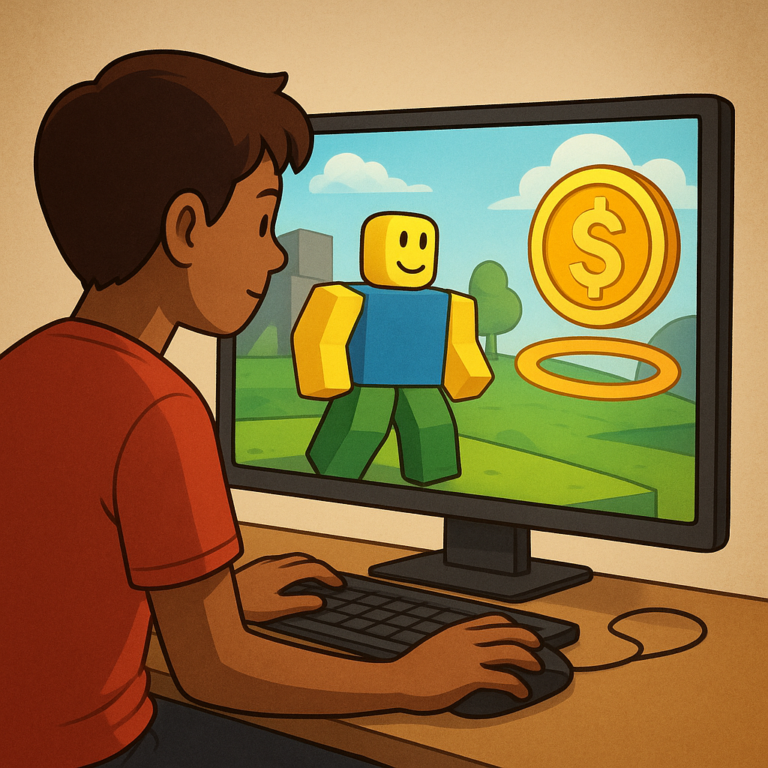
In Roblox, attention is earned in seconds and lost just as quickly. A game can look polished, but if it does not give the player a reason to stay, return, and progress, it usually fades out fast. That is why reward loops matter so much. They are the invisible structure behind experiences that feel addictive in the right way: you do something, you get feedback, you feel progress, and you naturally want one more round. For creators, that structure is also what can support monetization, retention, and a healthier in-game economy.
What makes reward loops useful is not complexity. In many cases, the best loops are simple enough to understand at a glance. The player completes a task, earns currency, unlocks something new, or reaches a milestone that makes the next goal obvious. That sense of direction is powerful because it reduces friction. Instead of wondering what to do next, the player already has a reason to keep going. Below, we will look at how to build that loop in a practical way, without turning the experience into noise or confusion.
Start with one clear action the player can repeat
A reward loop always begins with a repeatable action. This can be collecting coins, finishing an obstacle course, defeating enemies, or delivering items from one point to another. The key is to make the action easy to understand and quick to start. If the player needs a long explanation before playing, the loop weakens before it begins. The best first action is usually visible on screen, clearly labeled, and immediately linked to a reward.
Think about what the player does in the first 30 seconds. If they can complete one simple task and see a payoff right away, they are far more likely to continue. That first moment teaches them how the game works. It also sets the tone for every future loop. A clean start helps the player trust that the game will respect their time, which is one of the biggest drivers of retention in Roblox.
Make the reward feel immediate and meaningful
If the reward arrives too late, the loop breaks. If it feels too small, the player loses interest. The best reward is immediate enough to create momentum and meaningful enough to feel worth the effort. This does not always mean giving a large prize. Sometimes a small amount of currency, a new item, or a visible progress bar is enough, as long as it clearly changes the player’s situation.
Good reward design is about feedback. The player should understand exactly what they gained and why it matters. A sound effect, animation, or visual pop-up can help reinforce the feeling of progress. In Roblox, where players move quickly between games, that instant satisfaction is often what keeps them from leaving after the first challenge. When the reward feels real, the next action feels easier to justify.
Create a next step that feels natural, not forced
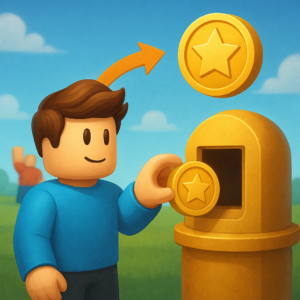
Many games lose players because they make the next objective feel disconnected from the previous one. A strong reward loop avoids that problem by linking each success to the next goal. For example, if the player earns coins by completing races, those coins might unlock a faster vehicle, which then helps them finish races more efficiently. The loop becomes self-reinforcing because each reward feeds the next action.
This is where pacing matters. The next step should not feel like a new game entirely. It should feel like a logical extension of what the player already did. When the progression makes sense, the player does not need to stop and rethink everything. They just keep moving. That continuous motion is one of the strongest signs that a Roblox experience is working as intended.
Use progression to make short sessions feel longer
Not every Roblox session needs to be long to feel satisfying. In fact, many players only stay for a few minutes at a time. That is why progression systems are so important. They make short sessions feel meaningful by carrying over benefits from one visit to the next. Even a small upgrade, a saved score, or a collectible system can give the player a reason to return later.
Progression also helps convert casual interest into habit. When a player knows that one more session will bring them closer to a new unlock, they are more likely to come back tomorrow. That is especially useful in games that rely on consistency rather than one-time novelty. A steady rhythm of progress creates a stronger bond with the game and often supports better monetization decisions later.
Balance rewards so the game stays fun instead of exhausting
It is easy to make a loop too aggressive. If rewards arrive constantly without challenge, the game can become shallow. If progress is too slow, it can become frustrating. The goal is to keep the player in a zone where effort feels worthwhile. That usually means mixing easy wins with slightly harder milestones, so the experience has variety without becoming overwhelming.
This balance is especially important when rewards are tied to monetization. Players quickly notice when a game pushes purchases too hard or hides progress behind pressure. A healthier model is to let the loop stand on its own and make paid items feel optional, not mandatory. When the game itself is enjoyable, any purchase becomes an enhancement rather than a requirement, which usually leads to better trust and better long-term results.
Test, adjust, and watch where players lose interest
Reward loops are rarely perfect on the first attempt. The smartest creators watch where players stop, leave, or slow down. Maybe the first reward comes too late. Maybe the next objective is unclear. Maybe the loop is fun for one round but not for five. These are not failures; they are signals. They show where the design needs to be tightened.
Testing can be simple. You can observe play sessions, ask a few users what confused them, or compare where players drop off. Small changes often make a big difference. Shortening a tutorial, moving a reward earlier, or making the next goal visible can improve the whole experience. In Roblox, iteration is part of the process, and the games that grow are usually the ones that keep learning from real player behavior.
In the end, a good reward loop is not about tricks. It is about making progress feel clear, fair, and worth returning to. When players understand what to do, why it matters, and what comes next, the game becomes easier to enjoy and easier to grow. That is the kind of structure that keeps a Roblox experience alive long after the first visit.