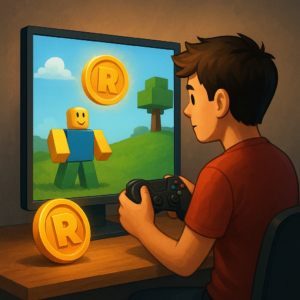
In Roblox, attention is hard to earn and even harder to keep. Players can leave at any moment, switch to another experience, or close the game if the first few minutes feel slow. That is why reward loops matter so much. They are not just a design trick; they are the structure that turns a short visit into a reason to return. When a game gives the player a clear action, a visible reward, and a next step that feels natural, the whole experience becomes easier to enjoy.
The strongest part of a reward loop is that it creates momentum. The player does something simple, sees progress immediately, and understands what to do next. That rhythm reduces confusion and helps the experience feel satisfying even before large goals appear. In practice, this can be as basic as collecting coins, unlocking a new area, or finishing a quick task that leads to a better item or upgrade. The important part is not the size of the reward, but the feeling that progress is real.
What a reward loop actually does
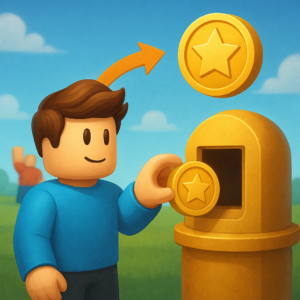
A reward loop connects action to payoff. The player completes a task, receives feedback, and gains motivation to continue. In a Roblox game, that might mean earning in-game currency, opening a chest, or moving closer to a cosmetic upgrade. Without that loop, the game risks feeling flat. With it, the game starts to create its own rhythm.
Designers often underestimate how much the first loop matters. If the opening activity is too slow, players may never reach the part that makes the game interesting. That is why the first reward should arrive quickly enough to confirm that the experience has direction. Once the player sees that progress is possible, curiosity becomes easier to hold.
Why pacing matters more than complexity
Many creators think that more systems automatically mean better retention, but that is not always true. A game can have a lot of features and still feel empty if the pacing is wrong. On the other hand, a simple game with a strong loop can feel satisfying because the player always knows what to do next. Good pacing makes rewards feel earned without making them feel distant.
This is especially important for younger audiences, who often want clarity right away. If the path forward is obvious and the reward comes at a reasonable pace, the player is more likely to stay. That does not mean giving everything away. It means spacing progress in a way that keeps interest alive.
How rewards connect to monetization
Reward loops and monetization work best when they support each other. A player is more likely to buy something when the game already feels rewarding. That might be a pass that speeds up progress, a cosmetic that marks achievement, or a useful feature that improves the experience. If the loop is weak, monetization feels forced. If the loop is strong, purchases feel like a natural extension of the game.
That relationship matters because it changes the way players perceive value. They are not just buying an item; they are enhancing a system that already feels good to use. When this is done with balance, the game can generate Robux without damaging trust.
Testing the loop before scaling up
One of the smartest things a creator can do is test a simple version of the loop before adding layers. If the core action is fun, the game has a foundation. If the loop feels weak, no amount of decoration will fully fix it. Testing also helps you see where players hesitate, quit, or get confused. Those signs are often more useful than praise, because they show where the design needs work.
Small improvements can have a large effect. A clearer button, a faster reward, or a better visual cue can make the entire game feel smoother. That is why iteration is a major part of building a Roblox experience that keeps players engaged.
Building something players want to repeat
A strong reward loop does more than entertain for a minute. It gives the player a reason to come back tomorrow. That repeat behavior is what makes a game useful for growth, community, and long-term Robux potential. If the loop feels fair and satisfying, players return because they want to, not because they are forced to.
In the end, that is the real goal. Not just one session, but a pattern of sessions. Not just one reward, but a structure that keeps earning attention. When you build with that mindset, you give your Roblox game a much better chance to last.